Category Archives: Couples

How to connect more effectively with your partner.

First Breath of Apology ~ The Story

Summary

When someone you love does something that hurts you emotionally, it’s quite common to find yourself caught between two opposing desires:

  • Revenge – make ‘em pay for your hurt
  • Forgive – and forget as quickly as possible to remove the pain.

Neither is great.

If you practice revenge you reinforce your own pain since (think about this) emotional pain arises from our story about an event – not the event itself.

If you rush to forgive, forget and avoid having an honest conversation with yourself and whoever hurt you, you practice being a coward in the face of your true experience.

A robust reconciliation, based upon an artful apology, avoids both these problems. In my work I’ve found there are five stages or “breaths” you need to take. Why “breaths”?

  • When we are stressed it really helps to breathe: Keep breathing!
  • There are in-breaths and out-breaths.  To stay alive, you need both.  A reconciliation between 2 people that avoids revenge or victim-hood needs both these perspectives.

First Breath ~ THE STORY

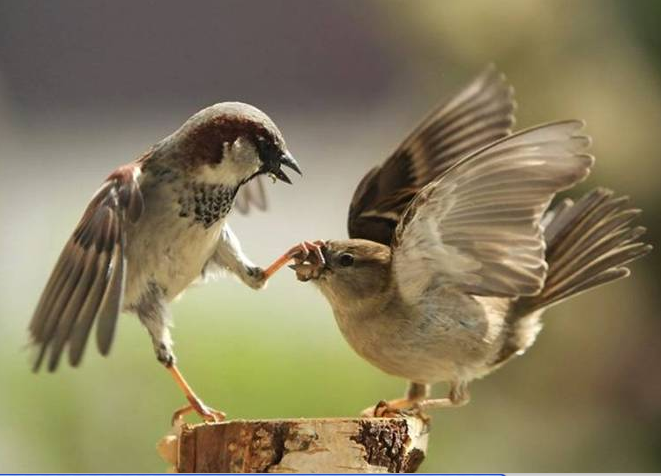
Screen shot 2013-06-10 at 1.22.45 PMACCUSER   Be brave and speak up

Feel entitled.  Say “Listen to me!”  Let your story out. Tell your partner what is going on for you and why you are so upset.  Give as many details as you can to help the accused see things from your point of view.

I’m never ever going to an office party with you again! You abandon me the moment we get there, you schmooze with everyone and don’t introduce me to half of them. And then, at dinner, you sit next to that new woman and spend the whole night in quiet conversation leaving me across from you between two crashing bores whom I didn’t even know!”

ADVANTAGES?   In any reconciliation process, the person who has experienced something painful needs to tell their story.  It’s a bit like rounding up the all the loose edges of a tumour in surgery. If you leave tendrils of cancer behind, the cells will re-grow.  Telling your story as fully and honestly as you possibly can will allow you to eventually let it go.

Screen shot 2013-06-07 at 2.35.49 PMACCUSED   Close that beak & listen quietly to the accusation.

Face your accuser. Breathe deeply. Give this issue your full attention. Do not, under any circumstances, explain, justify, defend or deny. Zip it and listen. If your mind is busy doing anything other than listening, you’ll miss too much.

ADVANTAGES?   This step is the key to your success. As long as someone is feeling hurt they will have no interest in hearing anything from you: no whys, excuses, justifications or pleas for forgiveness will trump their need to just spit out the pain.   All the things we usually do actually make things worse. This is not about you. This is about the impact something you have done (or not done, or said)  has had on someone else. Sure, you may feel they have over-reacted or might not feel so dreadful if they only understood things from your point of view.  Maybe. However, given that “ultimate reality” is up for grabs in any given situation, what I’m advocating for here is “what is most helpful in this situation right now?”  This step is the most helpful thing you can do.

This is Part 1 of 5.

Check back tomorrow for Second Breath of Apology ~ FEELINGS

The Art of Apologizing ~ in 5 Calming Breaths

Screen shot 2013-06-07 at 2.35.49 PMWhen someone you love does something that hurts you, it’s quite common to find you are caught between two opposing desires:

  • Revenge – make ‘em pay for your hurt
  • Forgive – and forget as quickly as possible to remove the pain.


However, neither revenge nor forgiveness are the best idea on their own, since they can both block genuine reconciliation. This is the place where each of you gets to do some emotional homework .  Screen shot 2013-06-07 at 12.51.58 PM


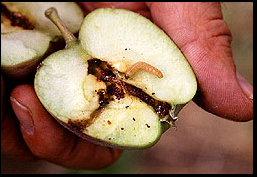
If the hurt partner stays in revenge, it will eat away at their soul, heart and mind and destroy them from within like a worm in an apple.

Screen shot 2013-06-07 at 3.22.45 PM


If the hurt partner is too quick to jump to forgiveness, they run the risk of losing their voice, and becoming  dis-empowered, like it feels when someone offers you a limp-fish handshake.


This is where the Art of the Apology comes in.

A genuine, full heartfelt apology – coupled with the self-awareness this process fosters – can actually serve to bring two people closer.  While the person who has been accused of doing (or being) hurtful can do an awful lot of reparation using the Breaths I suggest below, if the two of you get fully engaged, you can use this episode to create a deep and genuine reconciliation.

I use the metaphor of the Breath (rather than the Step) for two reasons:

  1. When we are stressed it really helps to breathe: Keep breathing!
  2. There are in-breaths and out-breaths.  To stay alive, you need both.  This process works to bring two hurting people closer because it softens those edges between in and out, right and wrong, accused and accuser,  victim and culprit.

This is what makes apologizing an art form. With practice you can cultivate this ability to mastery. And as you do, you’ll be modeling the process for your partner and your children. And they, in turn, can model it for theirs. Lord knows, we need more reconciliation on the planet!

NOTE: Each of the Five Breaths has a role for both the Accuser and the Accused. Try on both roles from some past issue. Walk yourself through how the process might have gone had you tried it.  What do you notice?

Breath 1  ~  STORY

ACCUSER   Just let it out!  Tell your partner the story of why you are so upset  ~  Give as many details as you can to help the accused see things from your point of view.

“I’m never ever going to an office party with you again! You abandon me the moment we get there, you schmooze with everyone and don’t introduce me to half of them. And then, at dinner, you sit next to that new woman and spend the whole night in quiet conversation leaving me across from you between two crashing bores whom I didn’t even know!”

ACCUSED   Listen quietly to the accusation  ~  Face your accuser. Breathe deeply. Give this issue your full attention. Do not, under any circumstances, explain, justify, defend or deny. Zip it and listen. If your mind is busy doing anything other than listening, you’ll miss too much.

Breath 2  ~  FEELINGS

ACCUSED   Acknowledge the other person’s FEELINGS  ~  Put yourself in your accuser’s shoes and imagine how they felt, even if they have not expressed any feelings beyond anger. Until you have done this they have no interest in anything you have to say. Trust me! It will not help them one iota for you to tell them:

  • But I didn’t mean to . .
  • You have no idea the pressures I was under!
  • Hey, you could have  . . .
  • No, I did not do these things!
  • In fact, I did the opposite of this most of the time.

So, do not. Instead, try this ~

“Oh Fiona, you felt awful that night!  You felt abandoned by me when I did not introduce you to those folks we were talking to. And then at dinner, it sounds as though you felt jealous that I had someone to talk to – and it did not help that it was a woman – and you were stuck between two folks you did not enjoy.  And for sure you don’t want to get put in a situation like that again. Did I get this right, or am I missing some parts still?”

ACCUSER    Continue to clarify your  FEELINGS   ~  Did they express accurately how you were feeling? Do you need to have them understand any aspect of that painful event more fully?  Now is your chance to see if you feel genuinely and fully understood. It’s your job to help the accused understand you – there is only so much they can guess.

“Well, you’ve got most of it right. I did feel abandoned and jealous. I think what made it worse for me is that you know how vulnerable I feel amongst your super-smart financial market friends. Right in the midst of my six month parenting leave and all I can think to talk about is Sylvia sitting up and how cute she is. I ended up feeling boring, dumb and unattractive.”

ACCUSED   Repeat Breath 2  ~  Keep going around by inviting the accuser to say more about feelings while you continue to acknowledge what they are saying.

Again remind yourself – you are not pleading guilty. You are simply helping someone in pain name their symptoms.

Breath 3  ~  REPENTANCE 

ACCUSED   Say Sorry  ~  If you can hold-on to the idea that this person is simply telling you they are hurt; and if you can refrain from taking the focus back to you by explaining,  justifying, denying, or accusing*,  you may be able to offer a heartfelt. . .

“I’m so sorry! I’m so sorry you felt abandoned by me and jealous and boring and all those awful feelings you just shared with me.”

ACCUSER   Receive their sorrow  ~  Listen with your heart. If the accused has genuinely sought to understand how dreadful you felt, you can most likely be sure that they are genuinely sorry you felt that way.

Breath 4  ~  OWNERSHIP

ACCUSED   Accept responsibility for the parts you feel you can genuinely accept responsibility for. This empowers you to see how you could have done things differently  ~  Not everything is 100% within our control so the trick here is to take ownership of what is  Own up to the parts you can own up to.  You do not have to lie down and be a whipping boy. If there are things beyond your control, or actually more within your accuser’s control, don’t take those on.

“Fiona, I totally see how I blew it with the introductions. Truth was I blew it even more by not remember those guys names. I could have just spoken up and said ‘Hey – I’d like you to meet my wife” and hoped they’d have offered their names! And I did get way too interested in the things Betty had to say – that woman you spoke of. She’s from corporate so I was being a bit of a brown-nose I know. I can see how that must have looked to you.”

ACCUSER   Listen as your partner accepts responsibility  ~  You’ll know if this is genuine. You may find he or she is not taking responsibility for absolutely everything.  This is actually good. If you choose to notice what items were left on the table, you could – under calmer conditions – explore the extent to which you could have done something to help yourself under those circumstances. Own your own piece.

“Well thanks. I know I blame you for the two bores I sat between too – but I see I could have asked them about their kids and maybe sparked some sort of conversation I was interested in. Hey – I possibly could have asked to swap seats with someone after coffee too.”

Breath 5  ~ RECONCILIATION

ACCUSED   Seek forgiveness  ~  After you’ve heard the story and understood the feelings, after you’ve repented and taken ownership for what went down and how things could be different next time, you may want to ask for forgiveness.  I have noticed that when this process has moved successfully through these four stages, not everyone feels the need for this final step.  However, it can’t hurt!

“Fiona – I’m really glad we talked about this today. I want us to be close again. I’d love it if you could forgive me. Is there anything else  I need to do? Will you tell me?”

ACCUSER   Offer forgiveness when you are ready  ~  You may need some time;  you may not. Sometimes it helps to have a little ritual – like the confessional for Catholics when the priest dolls out “Five Our Fathers and Three Hail Marys”. 

“Yes. I’m glad I got this out. I felt so hurt I thought it was the beginning of the end for us. But I see things much more clearly now.  So – I’d say forgiveness will cost you dinner for two at that new wine-bar next week!”

That’s it. Give it a go. I’d love to know if you have anything to add.

*  So what to do with all your pent-up desire to explain, justify, deny or counter attack?  I’ve noticed one of two things might help.

  1. You may just be able to let them go. The whole point of all that was to try to make your accuser feel better and not think you were a jerk – right?  Well, now they feel better and probably feel great about you too. Can be best to just dump ’em.
  2. If you feel stuck, then one day – when the issue has cooled down a bit – you could bring these up more as a reporter of the event than protagonist.  “You know, I find I still hang on to wanting to let you know why I didn’t introduce you to those chaps at the office party. Funny really. I guess I wanted you to know I didn’t intend to hurt you. Can I tell you about things from my perspective, now that it’s all behind us?”


Kaizen

The tag line for this website – cultivating great relationships with family, friends and self – comes close to expressing what I offer. But I guess much depends upon one’s definition of “cultivating”.

I love these definitions from The Free Dictionary . Cultivating is to ~

  • Improve and prepare (land), as by plowing or fertilizing, for raising crops; till.
  • Loosen or dig soil around (growing plants).
  • Grow or tend (a plant or crop).
  • Promote the growth of (a biological culture).
  • Nurture; foster.
  • Form and refine, as by education.
  • Seek the acquaintance or goodwill of; make friends with.

This implies that together my clients and I seek to ~

  • Improve the context of their lives (plow the land);
  • Soften any rigidity in the Self (loosening the soil);
  • Introduce new ideas (plant new seeds);
  • Promote new habits (water and feed and weed those seeds);
  • Provide support (nurture the growth);
  • Care and fuss a bit  (take pride in and monitor growth);
  • Teach new skills (introduce new ideas);
  • Grow together (befriend one another).

These are good. In my role as relationship therapist / couples counselor / coach I do all these things.

And, I want to add a nuance I’ve come to appreciate in my own life. That of Kaizen.  Literally this is a Japanese word meaning “good change”. However, it has become the embodiment of a philosophy for Japanese business meaning  “continuous small improvements.” It’s deliciously non-Western since there can be no arriving at perfection.  No end-point.  No noun. Only the verb – to improve. Only process.

Like my mother before a dinner party. She’d have everything looking perfect (to my eyes) about an hour before guests would be due. And then she’d kick-in to her own Kaizen space. She’d move slowly through the house since, by now, she’d look like a million dollars with the hair just so, the heels and jewelry on – not a time for rushing. With great elegance, and a slowness bordering on contemplation, she’d touch up the house. Picture frames would be gently swiped with a soft cotton cloth. The shiny-with-age loose-covers on our ancient wing-back chairs would be smoothed once more. The piano bench would be snuggled up into the piano.  The cushions would be tenderly plumped.  The enormous vase of flowers in our entry hall would be turned, ever so slightly, to showcase the prettiest bloom.

It drove me nuts!

As a child I thought “Shoot me now! If my life ever diminishes to the care and nurturing of loose covers and picture-frame-dust-management  just put me out of my misery. There’s gotta be more!”

Now – ah age! – I see it as a prayer. As a nod toward the idea that each one of us, each day, has a little dust to brush off, a little tightness to smooth, a little plumping-up here and there, a stunning flower to showcase. It’s love-as-verb, in miniature.

Now, as my clients and I cultivate great relationships (with family, friends and self), I’m noticing that it can be the smallest moves – the gentler tone; a squeeze of the hand; a quieting of the inner critic; a heartfelt “Thanks Honey!”; the choice to listen not speak – these continuous small improvements we practice in our relationships,  which bear the tastiest fruits.

Dating~How to call it quits

By it’s very nature dating is a temporary state.  When was the last time you saw a greetings card for “Congratulations on 17 Years of Dating!”

You see her across the Bistro. He invites you for coffee. Maybe you go running together. Then dinner. Maybe a weekend away. By and by you decide not to date other people. You’re in that “I like what I see. I’d like to keep the competition at bay while we have a chance to see where this leads. Will we find more and more in common, get closer and find it easy to be with and talk to one another, or will we stall out  in stagnant-ville, or will we lurch into a nasty, belittling downward spiral of misery, pain and suffering?”

You have no idea at the get-go. That’s why you date. You’re dipping your toes into the relationship. At some point you’ll decide to go fully in or fully out in which case you’ll need to make a transition out of dating and into:

  1. Long term commitment (see NOTE below)
  2. “Mutually-Ex” ~ either you know from the start that the relationship has a built-in expiration date due to other life circumstances –e.g., finishing college, distant graduate schools, work overseas, military service, etc; or you both agree it’s time to move on and part ways amicably.
  3. “Unhappily-Ex” ~ when only one party wants to end the relationship.

This article is for those facing Option #3. You’re dating but feel the relationship is not right long-term. You want to end it. But how?

Obviously there are dreadfully heart-wrenching breakups  (which perchance can be lucrative if you channel that pain – think Taylor Swift, Adele or indeed any one of the writers of the 50 greatest breakup songs of all time). But there can be breakups which are dignified-if-bittersweet. Endings which are firm-but-gentle, with a genuine nod to what “might have been”, and an acknowledgment of good-times-shared and lessons-learned, even as you guide your soon-to-be “Ex” through the transition from “main squeeze” to “former squeeze”.

As a relationship therapist I’ve come to understand 3 important truths which may help you here – as you contemplate your farewell:

  1. You have 100% control over how you behave in this transition
  2. You have ZERO control over how your soon-to-be Ex behaves
  3. Having compassion both for yourself, and your friend, makes a huge difference

When you bring a relationship to a close with compassion, you’ll be able to see ~

  • You are both good folks
  • You’ve probably both been bruised a bit by life
  • You’ve probably both said and done dumb things
  • Dating is dating – it’s OK to move on if you want to
  • This is an opportunity for some good learning
  • Learning is a choice not everybody makes
  • Bitterness, blame, vengeance and anger hurt the person who feels them way more than the person toward whom these emotions are directed
  • You will always have what you two had – the good, bad and ugly
  • You are now simply this person + these experiences

So, practically speaking, how does one break up?

The Five Stages of a Principled Break Up

  1. You begin to have doubts
  2. You try to fix things
  3. You realize it’s not going to work
  4. You declare it’s over to your partner
  5. You learn, heal  and try again

Let’s break it down.

1.  You begin to have doubts

Whether it’s her habits or his disorganization; the way you fight or your differing loyalties to families-of-origin; her ambition for med school or his desire to take his bagpipes and busk through Europe, but somewhere along one sunny afternoon you’ll be visited by an inkling of  “I’m not sure this will work.”  Some intuitive, gut-clenching, heart pounding, sad dawning will flutter across your consciousness and you’ll find yourself seeing your sweetie in a new, less certain, light. You’ll feel suddenly alone. A chasm of possible mis-match has thrust its way between you and now, for the first time, you experience some doubt.

Compassion Point:  When you are first in love you see your partner through rose-tinted specs.  As your love matures you’ll encounter genuine power struggles as you each need to get back in touch with who you are in this relationship. Doubt is common as this stage. It’s normal.

2.  You try to fix things

This is where your relationship goes through some heavy lifting. Hopefully you’ll have the awareness to begin to name the differences you notice and discuss them. This can open up a rat’s nest of course, since discussing differences is tough even for seasoned couples.  But you’ll notice one of 2 things: your discussions will bring you closer or drive a wedge between you. Pay attention to which it is.

It is very typical for dating couples to cycle through a Beatles’ play list:

Repeat . . .until you’ve become jaded by the cycle and “Yesterday” becomes your background theme tune more often than not.

Compassion PointAll couples go through this cycle. You are going along. You  bump into some differences. You try to figure them out. You muddle through. Until the next time. You go around again. If, however, you begin to feel like you’re trapped in a situation you can’t improve, or your differences mostly lead to painful fights which are driving a wedge between, you’ll need professional help, or to move on. 

3. You realize it’s not going to work

Professional help failed, or you know your paths are leading to different horizons and you’ve come to the conclusion it’s time to move on. This post on “When to call it quits” might be helpful here. This can be a lonely time. For some couples it can be helpful to have an honest conversation about how you feel, at this stage. Your partner might be relieved, admit to the same realization and you can shift to parting more or less amicably. If there is a chance this could be a mutual parting, then some sort of conversation about “How do things feel to you? Are you hopeful we’ll pull through these differences, or not so much?”

Or, you may know that your partner is much more committed than you are and you’ll have to take charge of the transition. If you are to make Stage 4 successful (when you tell your partner you are leaving the relationship) you need to do your homework here.

Ask yourself the following questions  (because your partner is going to ask you)

  1. What do you feel for your partner?
  2. What emotional needs are not being met?
  3. Have you tried to get these needs met with your partner?
  4. What is causing you to give up on the relationship?
  5. Why now?
  6. Is there anything your partner could do that would make enough of a difference that you’d stay?

Compassion PointAs you answer these questions, keep your focus on YOU – your feelings, your needs. These are not up for discussion and cannot be dismissed even by a potentially angry or grieving partner.

4. You declare it’s over to your partner

When you know you are through; you’ve tried and tried again; and you’ve done your homework (above) it’s time to tell your partner, firmly but gently, that you are moving on. The following tips might help.

  1. Call and ask to have some time one morning / afternoon / evening.
  2. Go to their home – in this way you have control over your departure and they do not have to drive.
  3. Let them know you’ve come to a decision and want to let them know.
  4. Keep your opening statement simple: “Mary, we’ve been dating for 2 years now. I’ve loved getting to know you and the fun times we’ve had. However, these past 9 months of fighting and name-calling and drama have been pretty tough. The way we are together isn’t good for either of us. We’ve both tried – I know that. But I’ve come to the decision that I need to move on. I’ve come to say goodbye.”
  5. Be prepared for all sorts of possible responses – anger, pain, tears, shouting, a speedy invitation to “get out and never come back” – you can imagine how your partner might react.

If your partner behaves badly ~ lashing out with verbal, physical or emotional abuse, take your leave quickly. Let them know if they want to have a more reasonable goodbye later, you’d be open to that. But for now protect yourself and leave calmly. Do your very best not to get caught up in more drama – this is why you are moving on.

If your partner becomes unglued ~ and you fear for his or her emotional stability, let them know you are worried about them and you’ll be calling in their friend (helps if you know someone who cares for your ex whom you can call).  Leave them with this person for comfort – not you.

If your partner behaves well ~  and the two of you can process your relationship’s evolution – wonderful. Have the conversation. A great deal of healing can come as the two of you sit together, side by side, and mourn what was.

Compassion Point:  Given the sudden quality of this news, your partner will be plunged into a shocked, reactive state. They will not be at their best.  They need you to be the adult – so be one.

DO NOT ~

  1. Go back and forth, “OK, you want me to stay through your exams?”
  2. Cultivate dependence of any sort – it’s only good for your ego, not their Self-hood;
  3. Forget that your partner was successfully single before they met you and will be successfully single after you as well;
  4. Bad-mouth your “Ex” to others;
  5. Agree to lingering connections that feel sticky like “We’ll still swap cars next Thursday right?”  “Will you still feed my cat? Come to my performance? Celebrate my parents’ wedding anniversary-they do love you! Attend cousin Chloe’s wedding, we’ve already accepted!”  Those arrangements were for you as “date” not you as “Ex”. Your “Ex” needs to know they can survive without you more than they need you at these events. Honestly.

If you are living together, things are more complicated certainly – you’ve got to deal with your shared living space, possessions, pets, and finances.  However, all the work you’ve done to become clear about your decision will be the same.

5. You learn, heal  and try again

You may be in considerable pain, even though it was your decision to move on.  You are likely to feel a whole bucket full of complex emotions – guilt, loneliness, embarrassment, anger, loss, frustration, relief, excitement, sorrow.  Trite as it sounds, let it be. Let the feelings wash over you.

Undertake a deliberate course of self-care ~

  • Start a blog / journal
  • Take up a new sport
  • Consider martial arts
  • Take a class  – Japanese cooking, singing, French, archery
  • Get into nature
  • If necessary, schedule one or two sessions with a relationship therapist to process what you’ve learned

Let yourself rebuild trust in the idea that relationships can be happy, equally satisfying, nurturing and positive. Start gently though and definitely wait a few months before “going steady” with someone again.

Compassion Point: If you find you are telling yourself a story that is filled with how dreadful your “Ex” is and what a victim you were, see if you can change that story. As long as you are Victim in one story it’s hard to be Heroic in another. Work to understand what you were responsible for in your old relationship. If you avoid this introspection, you may find yourself getting a chance to re-learn that lesson next time around.

NOTE (from beginning of Blog)

Obviously “Happily Ever After” belongs in story books.  Just because someone makes a transition from dating to long-term-commitment does not mean the relationship is – as they say in New Zealand –  “done and dusted.” These fizzle half the time as well. But working through the breakup/divorce of a long-term committed partnership is a tiger of a different stripe.  Maybe for another blog mini-series.

Dating~When to call it quits

Twelve Questions to ask yourself if you’re wondering whether you are dating the right person

Show up honestly to these twelve questions and really listen to your answers. If you are still not sure, seek a few sessions with a good relationship therapist since possibly some family-of-origin ghosts are getting in your way.

1. Do you like who you are in this relationship?

2. Think of someone who loves you very much (parent, sibling, grandparent, coach, your child…) would they think this was the best you could do relationship-wise? If not, what’s getting in the way of that?

3. Are you growing in a way you like, or stuck in a place you dislike?

4. After a fight, can you get back together and talk about what the real issues were until you each understand what precisely each of you was upset about? In other words, do your fights bring you closer or build a wedge between you? *(see NOTE below)

5. Is there a healthy balance of give and take? If any of these statements are true, read number #6

  • “I show my love by fixing my sweetie’s problems.”
  • “My sweetie is just going through a rough patch.”
  • “Love is all about giving.”
  • “I’m sure my turn to receive will come.”

6. Do you know the difference between healthy helping & enabling helping? Healthy helping is stepping in when someone really can’t manage on their own, like driving someone to the hospital when they are sick. Enabling helping is preventing someone from experiencing the consequences of their own behavior or choices, like endlessly listening to your friend kvetch and complain about how much they hate their life – so you run around endlessly trying to make the edges better – when actually, your friend needs to make some drastic changes.

7. When you think about yourself 3 years out – do you feel excited at the thought you’ll still be with this person, or  poundingly depressed?

8. Do you know, in your heart of hearts, you need to move on, but can’t bear the pain this might cause the other? If so, read #9.

9. As a parent, will you let your kid’s teeth rot in their heads rather than expose them to the dentist? Will you continue to enable this person to live a lie? If they’d be devastated by you moving on, they must think you love them more than you do. Respect them enough to tell your own truth. You will both be the better for it.

10. Are you stuck because you made some dumb decisions that have you all muddled up financially – like buying something big together (house, car, boat, time payments on a costly trip?)  If yes, see #11.

11. Debt together is different from life together. Grow up, get out the spread sheets and talk to a lawyer if you need to get some teeth into independent repayment plans for these once joint financial commitments.  You get to enjoy the consequences of your action which means you won’t make this mistake again – right?

12. Do you keep circling around to “But I love him/her?”  Love is so much more than a fuzzy feeling. It’s a verb in the most life-affirming sense. Love is a crucible for growth like no other. If – despite your fuzzy, lovey-dovey, achingly addictive feeling – you can also check these boxes…

  • It brings out the best in each of you;
  • Your friends and family see you expand in confidence;
  • You care enough to drill down to understand your differences;
  • You willingly try on new ways of being;
  • You allow one another to take risks and to comfort one another when you fall – you don’t wrap each other up in cotton wool and hide;
  • You savor the moment and feel optimistic about the future;
  • Your expression of love and your experience of love are fully congruent;
  • You can show up wholeheartedly and truthfully;
  • As a team you are more powerful than you were as two individuals;
  • Your love is emotional (and chemical) yes, but also born of intellect (you’ve thought this through) and spirit (you choose to grow within this co-created crucible) and flesh (you willingly surrender your precious body into those arms for cherishing);

. . .  why then, you might be on to something very valuable.

*NOTE ~ While the content of each fight can vary, the values you each hold that might have been compromised are often the same ones.  So, if you can’t figure out what the real issue is now – before you make a long-term commitment  – it’s like jumping into a swimming pool with alligators in. If you know there are there – better to get them out first.

Coming:  Dating~How to call it quits


Narcissist ~ Healing From One

If you’ve stumbled upon this article, it’s the last in a 5 part mini-series about living in relationship with “Narcissism.”  (Click here for Part 1, 2, 3 & 4.)

This final piece offers you my humble “take” on what others more experienced than I  (see Resources below) have identified as 6 significant rest-stops along the spiral of healing. I offer one “Top Tip” per rest-stop.

1.  Re-encounter Yourself  ~  Most everyone who emerges from time around a narcissist looses something of themselves. No matter how long this contact with narcissism has been, there will be less of the essential, unapologetic, robust, connected-to-your-own-soul YOU now than there was before this contact.  First job is to find that person once again.

Top Tip: Do The Artists Way.  Julia Cameron’s 12-part process will help you discover you are a unique, worthwhile, creative being whose only job is to express yourself. This book is a life-saver!

 2.  Embrace reality  ~  Question every assumption; examine every thought. Is this truth, or is this still crazy-talk? Come on back to the community of earthlings where you belong. Try listening to a reliable news source; go to the public library and watch normal people come and go; call a childhood friend and reminisce.

Top Tip from Blogger Lisa Arends (sent as a comment to my last postI found it invaluable to have “reality anchors,” tangible reminders of reality that kept me anchored while I navigated through the world he created through his lies. My favorite? I kept a copy of his mugshot with an article about the bigamy in my purse for several months. One glance at that paper reminded me of who he really was and motivated me to keep fighting to get away.  (Thanks Lisa!)

3.  Set boundaries  ~  It’s hard to be in relationship with someone who has no idea who they are or what they want. This is where boundaries come in: you get to say “I feel X and I need Y” and then let go. Just the fact of naming what you feel and need is a huge boundary-setting skill.

Top Tip from Life Coach Cheryl Richardson (on Oprah.com) walks you through How to Set Boundaries.

4.  Cultivate reciprocal relationships  ~  You’ve been giving, giving, giving – right? You need to discover that it’s OK to receive: To imagine you are worthwhile enough for someone to want to share with you.  If you want the safest possible two-way friendships I’d recommend animals or small children. They are genetically engineered givers.

Top Tip (not scientifically tested, but from my experience, this Tip’s from me).  Volunteer some time each week at your local Humane Society. For the gift of your time and presence, you’ll be rewarded with unconditional love from most of the four-footed brothers and sisters in the shelter. Lap up their love. Bask in it. Slowly make the transition to humans.

5.  Integrate Your Past  ~  It’s tempting to want to forget the past – especially if it now seems so false (Did my partner ever really love me? Was it all a sham?) But burying your past in an ugly bin in the basement will cause it to rot and smell.  Putting it instead in a pleasing, open wooden-frame box, turning it over, splashing it with some fresh insights, tumbling it with compassion, mixing in some understanding and wisdom will deliver a deliciously usable compost.

Top Tip  Write!  You’ll find lots of people on the Internet who have turned their difficult pasts into fruitful books, blogs, and even full “recovery courses.” 

6.  Help Others  ~ Once you’ve climbed back from the brink, re-calibrated your sense of “normal”, practiced setting boundaries and expressing feelings and needs, re-joined the larger community, made a few genuine friends and gained some perspective on your past, you’re ready for the fulfillment that comes from reaching out and helping someone else.

Top Tip Be inspired here 

RESOURCES

Caveat emptor” ~ 3 Main Points

  1. Be slow to trust.  There’s a lot of unhelpful information in print and online. Look for resources authored by professionals in the field of mental health. If you are considering a book, or reading an article on-line, read the brief author bio. Check to see if the author has an advanced degree from a reputable University. Are they working the field? Do they have a website and testimonials? Can you call them or email them if you want to? Not all information is equal.
  2. Free is good.  The library is your friend. You can spend a small fortune on books and courses and consultations.  You do not have to.
  3. Value a second opinion.  Part of your “reality check” work here. If you feel drawn toward a book you want to buy, or someone you might want to consult with – run it by someone you know and trust.  If your friend is suspicious, maybe wait a bit. Or seek a third opinion. The topic of narcissism has created a very “narcissistic” (i.e. exploitative) on-line environment and you don’t need to get burned.

That being said, there are lots of books you should be OK to review at your local library. Here is a short list. You can also go to Amazon.com and type “Narcissism” in the subject box for a longer list.

  • Why Is It Always About You? : The Seven Deadly Sins of Narcissism, by Sandy Hotchkiss
  • Disarming the Narcissist: Surviving and Thriving with the Self-Absorbed by Wendy Behary
  • Freeing Yourself from the Narcissist in Your Life by Linda Martinez-Lewi
  • The Wizard of Oz and Other Narcissists: Coping with the One-Way Relationship in Work, Love, and Family by Eleanor Payson

In terms of on-line resources. You can trust articles posted on ~

www.psychologytoday.com   (You can type “Narcissism” in the search box top right, or visit Topics and browse by Parenting, Divorce, Personality etc.).

http://divorcesupport.about.com   (Again, type Narcissism in the subject box top left. This is a direct link to a good article on  co-parenting with a narcissist )

Marc Hafkin also posted on this Blog – his web site seems worth reviewing.

One of my clients found this site, and I figured it might help others:  http://www.daughtersofnarcissisticmothers.com/

This seems helpful (if anyone has feedback feel free to post) http://blog.melanietoniaevans.com/

And I follow Lessons From The End of a Marriage because I’m inspired by it’s author, Lisa Arends. Lisa’s been through what she describes as a “Tsunami Divorce” but has emerged with a terrific sense of self, a good job, a luscious pen and some piercingly clear insights.

For the other posts in this series see ~

Narcissist~Leaving One

If you’ve stumbled upon this article, it’s Part 4 in a 5 part series on Narcissism*.  Today’s article offers the Top 10 Tips for how to successfully exit a relationship with someone suffering from severe narcissism.

  1. Do The Math  ~  If you’re unhappy, seem to have always been and can’t see things changing; if you’re beginning to feel you’re crazy; if fights far outnumber fun, take stock. Start a daily log of the lies, infidelity, insults, rages and abuse. After a few weeks or months do the math. Calculate what percentage of your life with this person is happy. If unhappy is a much bigger percent than happy and if every attempt to change things has resulted in things getting worse for you – it’s time to go.
  2. Prepare to Prepare  ~  Most people who leave abusive, narcissistic relationships report several “false starts.” Spontaneous “I’m leaving you” tantrums (initiated by either partner) do not last. If this is to be a true break from this nightmare you need to plan.
  3. Get Emotional Support  ~  By the time you’ve recognized how bad your relationship is and are making your plan to leave (which is right when you need to be super strong) you are probably feeling drained, lost, fragile, alienated, crazy, stupid, worthless and more. Priority #1 is to find someone who understands the nature of narcissism to help you: a therapist, minister, support group for abused women, or a forum on one of the many web sites about being involved with a narcissist. You need someone to confirm you’re not nuts, it’s not your fault and you deserve better.
  4. Get Tangible Support  ~  Since you’re planning to leave someone for whom life is “all about me” you are unlikely to get a fair distribution of your shared assets. So, get strategic. Do you have anything in your name? A car? Jewelry? Savings?  It can be wise to have a plan for where to go for the first few months – family out of the area, old friends? Take an inventory of what you might be able to hang on to, and what you are most likely to have to leave behind.
  5. Get Financially Savvy  ~  To the extent you can, take stock of where you stand financially. Familiarize yourself with credit card balances; bank balances; the mortgage; other monthly debt. You may be in for some surprizes. As you can, start a cash-stash. Even $1000 is better than ending up on the street with nothing.
  6. An Element of Surprize  ~  Be careful to keep your plan a secret. As you know, you are overly connected / addicted to the charms and terrors of the narcissist in your life and can easily fall prey to the pleas to stay, hand over money, take care of him/her etc.  Consider your safety above all else.
  7. Burn Your Bridges  ~  As miserable as you may be, the majority of people who have successfully made the break from a narcissist report it takes every ounce of their strength not to go running back. You’ve been so emptied, manipulated, put down, “rescued” and oriented by this toxic system that life beyond it seems vapid, empty, frighteningly without meaning. This is where your support system comes in. Buy a one-way ticket; have someone expecting you; make it impossible to go back.
  8. Build Your Boundaries  ~  You fell prey to the narcissist because you weren’t sure about the line between  “being nice” and “being used/abused.” There is one and it is never too soon to start building stronger boundaries. A great place to start is by reading Melody Beatie’s Codependent No More.
  9. If There Are Children  ~  Many divorces are caused by the narcissistic behaviour of one or other parent so you are not alone. Your children will survive. It will pull forth more from you than you thought you had to give but parents who’ve had the courage to leave their narcissistic partners will tell you that they are particularly motivated to make this break for the children.
  10. Harbour Hope  ~  Hold on to your self. There is no greater gift you can give yourself (or your children) than to make this move. No amount of money, real estate nor high roller distraction is worth the sacrifice of your very essence. You are not alone. Others have walked this path before you. You can make it!

*I am running a 5 part mini series ( 25-29 March 2013) on Narcissism. I am seeing more and more clients impacted by living with someone who suffers from NPD and the first step in the healing process is to learn as much as you can about this disorder.  I’ll print a list of helpful resources in Part 5.

Narcissist~Living with one

If you’ve read my two previous posts Narcissism – Symptoms and Narcissism – Now What, you may be wondering whether it’s possible to have a successful relationship with someone on the narcissism spectrum.

Both my research and my clients tell me it is possible. I’m always a little surprized by the number of people who knowingly continue to live with, or work for, a narcissist once they understand why they’ve been feeling so awful for so long. However – knowledge really is power. This post is for those of you who, for whatever reason, are choosing to stay involved with someone suffering with symptoms on that narcissism spectrum.

3 Key Practices for Surviving (Even Thriving in)  Life with a Narcissist

  1. Inform yourself fully ~ Learn all you can, scour the local library and internet, so you may fully understand the sort of pain, hurt, sadness and possible abuse you will be up against.
  2. Decide where you will take your stand ~ As you review the list of “Things You Cannot Change” about a narcissist below, identify any you feel you need to take a stand against. If it’s the rages you hate,  then figure out how you will behave in the face of the rages. And stick to it.
  3. Commit to on-going self-care ~ Daily contact with a narcissist can be crazy-making, isolating and lonely. If you are in this for the long haul you’ll need to identify how you’ll stay healthy, not burst a blood vessel, keep your self-esteem/self-compassion tanks topped up and meet your emotional needs outside of this relationship.

According to Dr. Judith Orloff, if you are to live or work with a narcissist, it is wise to accept that there are some things you cannot change. As you review this list  below, notice if any of these inevitable traits are particularly bugging you.  It is OK – even wise – to take a stand against those traits that you find most draining.  As we might respond to any bullying behaviour, if you say “I find your rages too huge for me and the kids. When you raise your voice I will leave the room,” and if you stick to this, you will eventually get that pattern changed between you. (Note – the narcissist does not stop raging. But what you do in the face of the rages is what can change.)

  • Be aware that the narcissist can respond negatively if you complement other people while you are in the narcissist’s company. The narcissist is likely to see a compliment paid to someone else as an indirect insult to the narcissist (e.g. the narcissist might say something like “you are always saying good things about X but you never say anything good about ME”).
  • Don’t expect the narcissist to understand jokes the way that non-narcissists do. Just accept this and go and enjoy telling jokes to people who are not narcissistic.
  • Give the narcissist what he or she wants when he or she wants it and do not expect the narcissist to reciprocate any favours.
  • Don’t expect the narcissist to take any real interest in you (unless he or she is very eager to please you, in which case the narcissist will be very good at pretending to be interested in you).
  • Do not expect the narcissist to apologise or to show any consideration for your feelings.
  • Be careful about making any expression of affection towards the narcissist as the narcissist might respond to this in a nasty manner, particularly if the narcissist thinks that you are becoming dependent upon him or her. Also, do try to keep your independence and, if possible, try to make the narcissist to some extent dependent on you.
  • Expect to have to clean up after the narcissist but don’t expect the narcissist to clean up after you.
  • Expect the narcissist to try to demand all of your time but don’t expect the narcissist to give up his or her time for you.
  • Expect the narcissist to be impossible to please. Just think how unfortunate you would be if nobody was able to make you happy.
  • Expect the narcissist to be unhappy when he or she discovers that you actually want to do what they want you to do. When you actually want to do the task which the narcissist has given you the narcissist may perceive this as being a bit like sharing, and this can make the narcissist feel disappointed.
  • Don’t ever say to the narcissist anything like “please have a heart”. Trying to appeal to the narcissist in this way is likely to make matters worse rather than better.
  • Never invite a narcissist to apologise.
  • Don’t expect a narcissist to pay attention to things which do not affect them personally (unless, of course, the narcissist is eager to impress the present company, in which case he/she will try hard to take an interest in the topic of discussion).
  • Don’t expect the narcissist to tell you the usual personal information about themselves (e.g. the narcissist may be reluctant to reveal much information about his/her childhood other than those things which he/she chooses to reveal).
  • Accept that most of the time (but not all of the time) the narcissist will find it difficult to remember back to events in his or her childhood.
  • Accept that narcissistic women will try to force their daughters to be exactly like them.
  • Don’t expect the narcissist to give you what you ask for (unless the narcissist is very eager to please you). If you actually do want what he/she gives you it will not be fun for the narcissist to give it to you.
  • Often remind members of your family that you genuinely love them. This will help to heal the family rifts which the narcissist is continually creating through his/her backbiting.
  • When a narcissist walks off in a rage, expect a return appearance with questions and criticisms. Use this time before their return to ready your answers and responses to them. Try to maintain a low tone, raising it over them will only increase the intensity of the conversation (and lead to a full-on argument).

And some helpful tips? Adapted from Connie Dieken’s Talk Less Say More

  • Give them options. Beneath their bluster, narcissistic people fear being left out of the loop. They crave control. It’s far better to offer them options to choose from, rather than feeding them ready-made decisions. They’ll tear other people’s decisions to shreds. Giving them options helps them feel respected and in control. It also prevents nasty hissy fits.
  • Focus on solutions, not problems. When you explain a problem or a challenge to a narcissist, direct their attention to the solution. Don’t allow them to dissect the problem over and over again. Narcissists love drama and revel in the chaos. They’re easily agitated when frustrated. Define problems and present possible solutions, so they don’t smell blood in the water and tear you apart.
  • Make them the hero. Narcissists are preoccupied with power and truly believe they are special and unique. They live for attention and admiration. Want them to do something? Tell them how great they are at it and watch them perform. Better yet, praise their performance in front of others. Just keep it real, please.
  • Let them think it’s their idea. Narcissists often steal the credit for ideas that aren’t theirs. Why do they do that? Strangely, they truly believe that hijacked results are their own. Grabbing credit is a driving force for them. If this gets things done, I say learn to live with it. Over time, everyone will catch on — wink, wink. Meantime, graciously transferring credit for ideas to them makes things happen.
  • Manage their emotional blind spot. Egomaniacs lack empathy. They’re so caught up in their own world that it doesn’t occur to them to consider your feelings or viewpoints. It’s a huge blind spot. You must put your own feelings on the table, if you choose to do so. Just be smart about sharing feelings with a narcissist. Brace yourself for the guilt trips and disparaging criticism that narcissists often dole out when others explain how they feel.

I am running a 5 part mini series ( 25-29 March 2013) on Narcissism. I am seeing more and more clients impacted by living with someone who suffers from NPD and the first step in the healing process is to learn as much as you can about this disorder.  I’ll print a list of helpful resources in Part 5.

  1. Narcissism – Symptoms                       
  2. Narcissism – Now What?
  3. Narcissist – Living with one
  4. Narcissist – Leaving one
  5. Narcissist – Healing from life with one            

Narcissism~Now What?

If you read my last post and find yourself wondering whether you are in a relationship with (or related to) someone suffering from (NPD) Narcissistic Personality Disorder, I have to start off by saying, ‘I’m so sorry.”

This is a tough situation. However, despite all the oncoming tumult, if you’ll allow yourself to open your eyes, move forward and come out the other side,  you can count on 3 things:

  1. You will survive
  2. You will need support.
  3. Time does heal.

WHY this fuss?

If you’ve connected the dots correctly, reading further will have you beginning to realize that your life will never be the same again. Your (formerly?) beloved husband / wife / partner / father / mother / sibling cannot simply “decide to get better.”  You are now the adult in charge. You will need to do all the research, clear thinking, decision-making, due-diligence, self-protection, possible exit planning and face all the consequences by yourself.

You will be alone. Worse than alone – you may be actively undermined.

WHAT are you telling me?

If indeed you are discovering that you are married to / living with / being parented by someone whose symptoms are highly correlated to NPD, and if they are pretty far along (because this is a spectrum disorder – the person you are worried about may have only a few of these traits, or they may be text-book classics) you will experience ~

  • Only They Matter

You are peripheral. The narcissist orbits his/her own sun. You matter only to the extent you have what the narcissist wants. Be honest – after spending how long with this person – do they know you, cherish you, love you, help you, care for you. Do you matter just because you are you?

  • Constant Tension

In an effort to avoid feeling the emptiness inside, a narcissist depends upon external factors for their inner life. There is no stable, predictable place. In any moment this person may spin from a hyper-inflated sense of brilliance after a moment of praise, to outrage and loathing after a perceived snub. While their modus operandi is “It’s all about me” in fact the narcissist lives in a frightening smoke and mirrors reality with a capricious Oz pulling the strings.

  • Ineffective Communication

To avoid feeling vulnerable, the narcissist will come out with guns blazing. Think a large two-year-old having a tantrum. They’re prone to attack, blame, criticize, banter rudely or accuse in public. This makes having genuine friends almost impossible.

  • Being Controlled

Understanding the narcissist is reliant on the external world for their internal reality, you’ll see why they need to control everything – timing, events, people, and finances. Any breach in the choreographed plan is devastating for the narcissist, who will employ any means to prevent it.

  • Lack of Responsibility

If you believe the world revolves around you (as a narcissist does) then common, shared morality is meaningless.  The narcissist typically suffers no guilt; can’t be shamed into behaving; they’ll see no point in accepting responsibility for anything that has gone badly. In fact, because the narcissist must see themselves as superior and blameless in all situations, this trait will possibly uncover a whole heap of lies.

  • Zero Empathy

Since his or her own emotions are too painful for the narcissist to experience, they are certainly not good at empathizing with others. While you may have been told that you need to attend to the narcissist’s feelings, you’ll not get any reciprocity here.  He/she is neither interested nor capable of attending to your emotional realm. This includes never having to say they are sorry.

  • Spontaneous Rages

Living with an ugly void where a healthy self should reside, the narcissist’s inner realm is a painful mess. This means they are highly unstable. A waiter, hotel clerk, teacher, you – might trigger a violent outburst totally disproportionate to the “issue” at hand.

  • Being Exploited

Remember #1 – Only They Matter? You’ll be used. You’re a finite resource that will be mined, polluted, depleted, and possibly destroyed. All your resources – your time, expertise, help, connections, income are up for grabs.

Thanks to Clinton Power for some of this ideas.

NOTE

I am running a 5 part mini series ( 25-29 March 2013) on Narcissism. I am seeing more and more clients impacted by living with someone who suffers from NPD and the first step in the healing process is to learn as much as you can about this disorder.  I’ll print a list of helpful resources in Part 5.

  1. Narcissism – Symptoms                                
  2. Narcissism – Now What?
  3. Narcissist – Living with one
  4. Narcissist – Leaving one
  5. Narcissist – Healing from life with one            

Narcissism~Symptoms

According to the DSM IV (Diagnostic and Statistical Manual of Mental Disorders – Fourth Edition), someone who suffers from Narcissistic Personality Disorder (NPD) has at least 5 of the following characteristics:

  • Has a grandiose sense of self-importance (e.g., exaggerates achievements and talents, expects to be recognized as superior without commensurate achievements)
  • Is preoccupied with fantasies of unlimited success, power, brilliance, beauty, or ideal love
  • Believes that he or she is “special” and unique and can only be understood by, or should associate with, other special or high-status people (or institutions)
  • Requires excessive admiration
  • Has a sense of entitlement, i.e., unreasonable expectations of especially favorable treatment or automatic compliance with his or her expectations
  • Is interpersonally exploitative, i.e., takes advantage of others to achieve his or her own ends
  • Lacks empathy: is unwilling to recognize or identify with the feelings and needs of others
  • Is often envious of others or believes that others are envious of him or her
  • Shows arrogant, haughty behaviors or attitudes

The DSM IV goes on to note NPD often comes with the associated features of Depressed Mood (Dramatic or Erratic), and/or Antisocial Personality Disorder.

Developmentally we all move through two stages of appropriate and necessary narcissism – as toddlers and as teens – so versions of these are for the most part familiar, maybe common and even celebrated traits today as anyone who has read much about Steve Jobs might have noticed. As Albert J. Bernstein puts it “there may be narcissism without success, but there is no success without narcissism”

However, try to live with someone who has five or more of these traits and you’ll be in your own private hell. If you want a fuller picture for what this might look like, day-to-day, I encourage you to read this.

I am running a 5 part mini series ( 25-29 March 2013) on Narcissism. I am seeing more and more clients impacted by living with someone who suffers from NPD and the first step in the healing process is to learn as much as you can about this disorder.  I’ll print a list of helpful resources in Part 5.

  1. Narcissism – Symptoms                                
  2. Narcissism – Now What?
  3. Narcissist – Living with one
  4. Narcissist – Leaving one
  5. Narcissist – Healing from life with one