Monthly Archives: September 2015

Before You Trust Again

Before you trust again, hit the pause button.

For some, the experience of losing trust in a loved one is a defining moment. Like those falling dreams where you are tumbling through space fearing there will be nothing beneath to catch you. And then you awake with a start. You’ve landed. You’re alive. The world has tilted on it’s axis. Your question might be ~

Now what? How can I survive in a world turned upside down?

For some, trust is a pretty disposable commodity. We give it and lose it and suck it up and do it again. The self-help industry is testimony to our human desire to rise again once we fall. The second, third and fourth marriage stats are a testimony to folks willing to risk the vulnerability of commitment again, and again, and even again. Your question might be ~

So what! Are there any safeguards against betrayal?”

I hope there are helpful things here for anyone who has ever felt the sting of lost trust. And, I realize I have a particular soft spot for people like my mother – who discovered my father was having an affair in the 1960s’ and had to just carry on. As a Catholic stay-at-home Mum she felt she had no options. Maybe I wish I could have shared these ideas with her back then. Maybe maybe she might have been able to guide her marriage into a more healthy harbor.

So indeed, loosing trust can be one of those moments we choose to gloss over. You know, go all British and bellow with false bravado “I say old chap, let’s . . .”
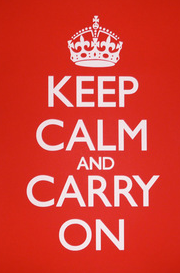
Screen shot 2015-09-30 at 10.35.38 AM

Which, while it worked well enough for Britain’s Shadow Ministry of Information to rally morale and tamp down hysteria during World War II, is really not a workable operating instruction for great relationships.

Instead, I’d offer this as your rallying cry when it comes to rebuilding trust.

Screen shot 2015-09-30 at 10.50.37 AM

WHY?

Great question!

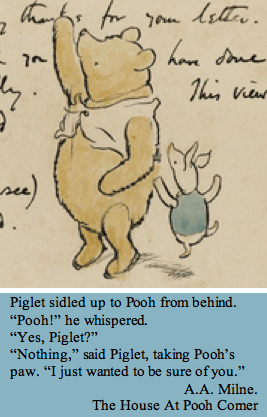
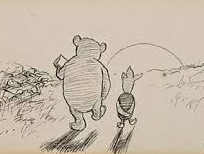
Well, it’s interesting isn’t it  What we want is the depth of trust Piglet has in Pooh.Screen shot 2015-09-30 at 12.09.22 PMWhat we’ve got is doubt, anger and uncertainty. And right there, when you are feeling so sad, betrayed, worried, frightened and alone I’m going to invite you to be curious in three particular ways.
ONE ~ INTERROGATE REALITY

As in, find out all you can about what just happened, from at least 2 points of view.

Think of yourself as the doctor, initially for your own case of pain and breach of trust, and then for the person whose actions have caused this for you.

Get curious about these six things below, for you and for this other person. You are seeking to reduce your uncertainty and confusion by understanding as much as you can about the situation. You are doing the opposite of KEEP CALM AND CARRY ON. You’re investigating with eyes wide open and a determination to understand as much as you can. For each person, let yourself ponder these questions:

  1. ANTECEDENTS – what was happening just before this breach of trust?
  2. BEHAVIORS – what exactly happened? What did each of you do / not do?
  3. COGNITION – what are you thinking? How are you scripting this event? How is the other person scripting this?
  4. DURATION – how long has this been going on… for each of you?
  5. EFFECT – what are some of the outcomes of these actions and reactions?
  6. FEELINGS – what range of emotions have you been through? Have they?

When your trust has been broken, you initially may feel shocked, angry, disappointed. All so understandable. But you’ll also feel frustrated, helpless and uncertain. Letting yourself wrap your head around the initial facts of the situation can really help. There will be a time to go beyond the raw facts, but grasping these things can feel empowering, and even a little hopeful.

TWO ~ LEARN ALL YOU CAN

OK – so now you know the basics of the who / what / when  & where, and it’s time to reach out for some specific help. It could be your child you’ve lost trust with, in which case I’d suggest reading Option A (see below in gold). If it’s your partner you’ve lost trust with, scroll on down to Option B, also in gold.

A)  If it’s your child who’s challenging your trust in them by ~

  • Taking your car without asking
  • Getting a speeding ticket
  • Skipping school
  • Getting into drugs
  • Getting pregnant
  • Hurting or bullying someone else
  • Self-destructing and refusing to accept your (or anyone’s) help

Please do seek help. Here are 3 types of resources to begin with.

BIBLIOTHERAPY

Yes – books are a powerful source of comfort and help so letting yourself do some research up front can make a difference.

Type “Defiant Child” or “Suicidal Teenager” or whatever your particular concern is into your favorite search engine. You’ll see heaps of articles and books.

One caution. Before you read anything (book, blog or article) figure out the credentials of the author. Can you trust this person to be helpful to you? Do they have an obvious bias? Faith tradition? Parenting philosophy” Just be aware that not everything on line or in print is good. That’s why I suggest looking at lots of things. The ones that seem to make sense to you will rise above the others.

Go to the library and search through the books you read about . Stagger out of the place with shopping bags full of books.

Skim the titles, the back cover, the inside jacket. Look at the chapter titles. Dip in and out of whatever catches your eye. Notice the biases of the authors, but hopefully you’ll begin to find some helpful information.

Again, there really is a plethora of good material out there.  I am particularly fond of:

WISE UP

Just because your trust in your child has been challenged or broken, does not mean one of you is “right” and one “wrong.” There’s lots going on with teens and deepening your understanding of what’s happening for them is vital. If the trust challenge has to do with one of the issues below you’ll certainly benefit from the appropriate resource.

PROFESSIONAL HELP

When you reach the limit of your own ability to educate yourself with on-line resources, consulting a professional is enormously helpful.

Two great places to start in terms of finding a qualified professional in your area, with the particular expertise you need, are:

  1. AAMFT (The American Association for Marriage & Family Therapy) Therapist Locator
  2. Psychology Today’s Find A Therapist.

B)  If it’s your spouse who’s challenging your trust in them by ~

  • Not keeping their commitments
  • Being unavailable emotionally or physically
  • Squandering your joint funds
  • Not seeking help for their addictions
  • Having an emotional affair
  • Having a sexual affair
  • Leading a secret life

Please do seek help. Here are 3 types of resources to begin with.

BIBLIOTHERAPY

Yes – books are balm and letting yourself do some research up front is super helpful.

Type “Best resources for rebuilding trust” into your favorite search engine. You’ll see heaps of books. Review some of them that catch your eye. Read the reviews.

One caution. Before you read anything (book, blog or article) review the credentials of the author. Can you trust this person to be helpful to you? Do they have an obvious bias? Faith tradition? Axe to grind? Just be aware that not everything on line or in print is good. That’s why I suggest looking at lots of things. The ones that seem to make sense to you will rise above the others.

Go to the library and search through the books you read about . Stagger out of the place with shopping bags full of books.

Skim the titles, the back cover, the inside jacket. Look at the chapter titles. Dip in and out of whatever catches your eye. Notice the biases of the authors, but hopefully you’ll begin to find some helpful information.

Again, there really is a plethora of good material out there and so much depends upon the nature of the breach of trust.

WISE UP

Just because your trust in your spouse has been challenged or broken, does not mean one of you is 100% “right” and one 100% “wrong.” Life is messy and complex and there are demons within each of us who sometimes take over. If your trust challenge has to do with one of the issues below, learning more about the specifics of the problem is very important.

PROFESSIONAL HELP

If or when you reach the limit of your own ability to educate yourself with on-line resources, consulting a professional is enormously helpful.

Two great places to start in terms of finding a qualified professional in your area, with the particular expertise you need, are:

  1. AAMFT (The American Association for Marriage & Family Therapy) Therapist Locator
  2. Psychology Today’s Find A Therapist.

THREE ~ INTERROGATE YOURSELF

Ask yourself, and really answer, these seven questions.

  1. If there was one thing I was trying NOT to know about my relationship before I lost my trust, what might it have been?
  2. If there was one conversation I ought to have had much sooner, long before trust was broken, what might it have been?
  3. If there was one thing I silently judged about this person, what was it?
  4. If, looking back, there was one change in the way I related to this person who broke my trust – what might it have been?
  5. If, looking forward, there is one change I could initiate now in the way I relate, what do I wish it could be?
  6. If there was one positive outcome almost too good to hope for, that might possibly come about as we heal and move through this breach of trust – what is my most daring wish?
  7. If there was one aspect of my own character I would love to bring more conscious awareness to, what might it be?

So, dear reader, before you trust again, hit that pause button.

Love yourself enough to recognize no matter how powerless and broken you may feel, there is SO much you can do to understand, learn, support and be supported through this journey toward an ever expanding capacity for love, trust, understanding, wisdom, self compassion and that dash of curiosity that will allow you to indeed, after all of this . . .

Screen shot 2015-09-30 at 10.35.38 AM

FIRST TIME HERE?

This is the latest article in a year-long series on the “12-most-important-relationship-skills-no-one-ever-taught-me-in-school-but-I-sure-wish-they-had.”

Click the box for the full list.  Top 12 Relationship Skills

If you’re interested in reading this blog in sequence, below are links to the series to date, beginning with the first posting at the top.

OVERVIEW

SKILLS FOR UNDERSTANDING

SKILL ONE ~ Recognize (and get to know) the many “yous.”

SKILL TWO ~ Learn how to be pro-active: choose how y’all show up.

SKILL THREE ~ Accept (and get curious about) other peoples’ complexity

SKILLS FOR CONNECTING

SKILL FOUR ~ Master the Art of Conversation

SKILL FIVE ~ Learn How To Listen With Your Whole Self

SKILL SIX ~ Crack The Empathy Nut

SKILL SEVEN ~ Practice Kindness

SKILL EIGHT ~ Negotiate with a Win-Win Mentality

SKILLS FOR RE-CONNECTING

SKILL NINE ~ Build (or rebuild) trust.

How To Trust Yourself

In 1984, for reasons I will explain (and you will possibly consider idiotic) I brought our eighteen month honeymoon – traveling in a VW camper through Europe and the Middle East – to a halt because I wanted to nest in my own home and become an upholsterer.

Yes – we traded the charms of small French towns like Cassis

Screen shot 2015-09-21 at 2.48.10 PM

and adventures on an Israeli Kibbutz and the newly-returned-to Egypt vast Sinai Peninsula (which in 1983 was virtually unoccupied following the Israel-Egypt Peace Treaty of 1979)

Screen shot 2015-09-22 at 6.56.43 AM

so I could pull the stuffing out of elderly sofas, become adept at tying internal springs in the classic 8-way-pattern for maximum holding and comfort

20150920_192605and tackle the occasional “Button Back” project.

20150920_192605_2

An odd choice, and one I went on to regret.

What was I thinking?

I had persuaded myself that I was a contemplative craftsperson who needed to work quietly on my own with classical music and scented candles, carefully restoring gorgeous antiques for folks who liked such things. And I wasn’t interested in hearing anything to the contrary.

Until I did. And the contrary voice I heard was loud, insistent, and from within.

I’m miserable! Here I am working away on my own, in the basement with things while what I really love and crave are people, sunlight and ideas!”

I had completely mis-read who I was and what I needed. Talk about undermining my trust in what I knew to be true about myself! I set aside my tools.

Screen shot 2015-09-22 at 7.13.21 AM

In 1980, for reasons I will explain (and you could possibly also consider idiotic) I brought my 2 year back-packing adventure around the USA to a halt Screen shot 2015-09-22 at 7.16.36 AM

by moving in with a man three days after I met him at The Last Exit on Brooklyn, in Seattle.

Me! A convent-boarding-school-graduate-with-two-sisters-nuns-who-had-no-intention-of-getting-married-anyway. But, I made the lightening quick decision to stay with this warm, kind Seattleite.

For a while.

Another odd/out of character choice, and one I’m eternally grateful for.

What was I thinking?

Lots of things!

I really liked this man. He felt familiar and kind and I was an emotional kaleidoscope. Some days I’d feel loving and secure, others I’d panic about my future and our differences. Sometimes I’d feel content at the prospect of choosing “the one”, other times I let myself explore my options. [if you’re curious read this]. I had lengthy phone conversations with my aunts and sisters; I sobbed and laughed with girl friends; I sought counsel from wise folks; and Mark and I went about our lives getting to know one another ever more deeply.

20150921_165819

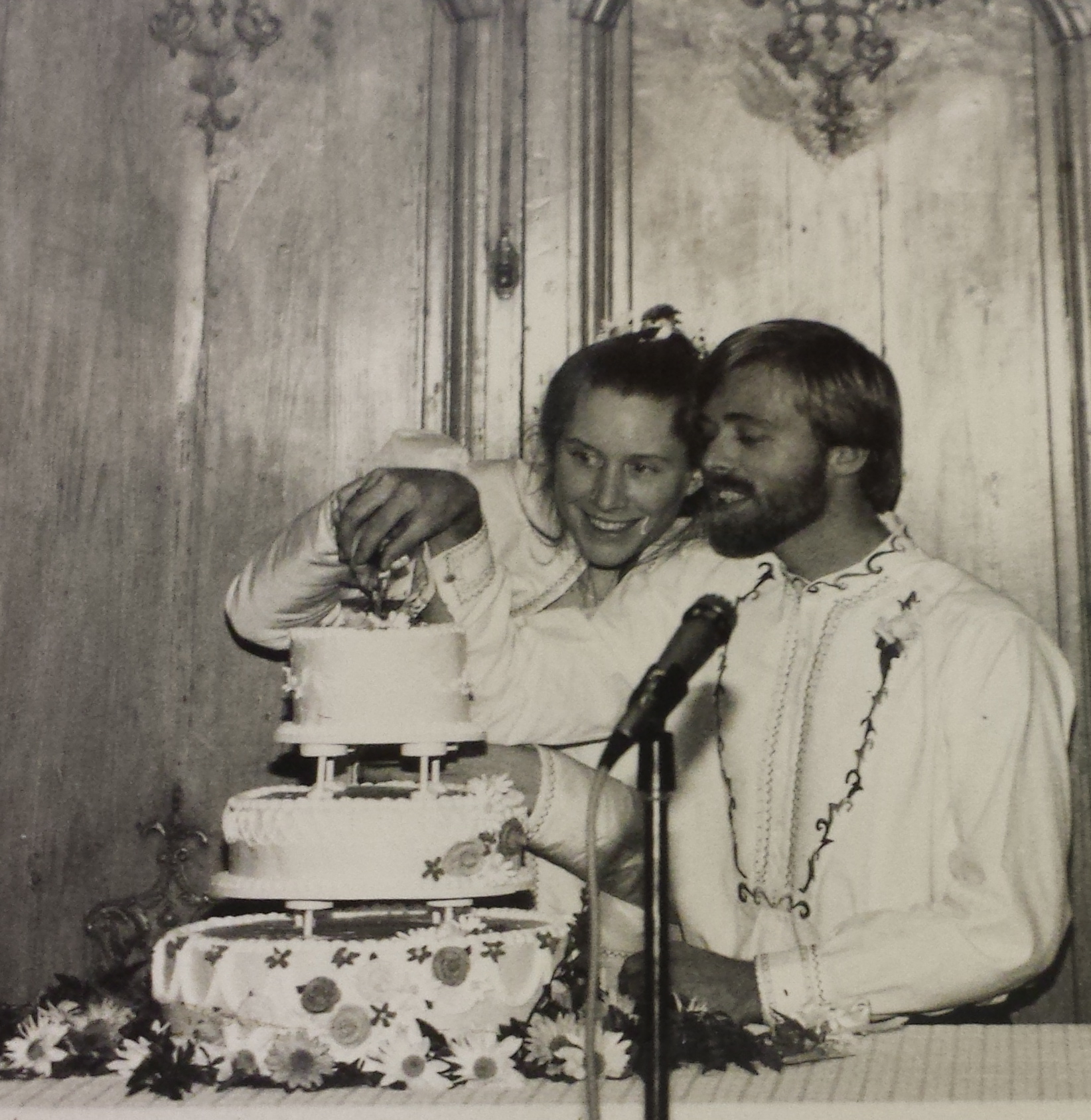
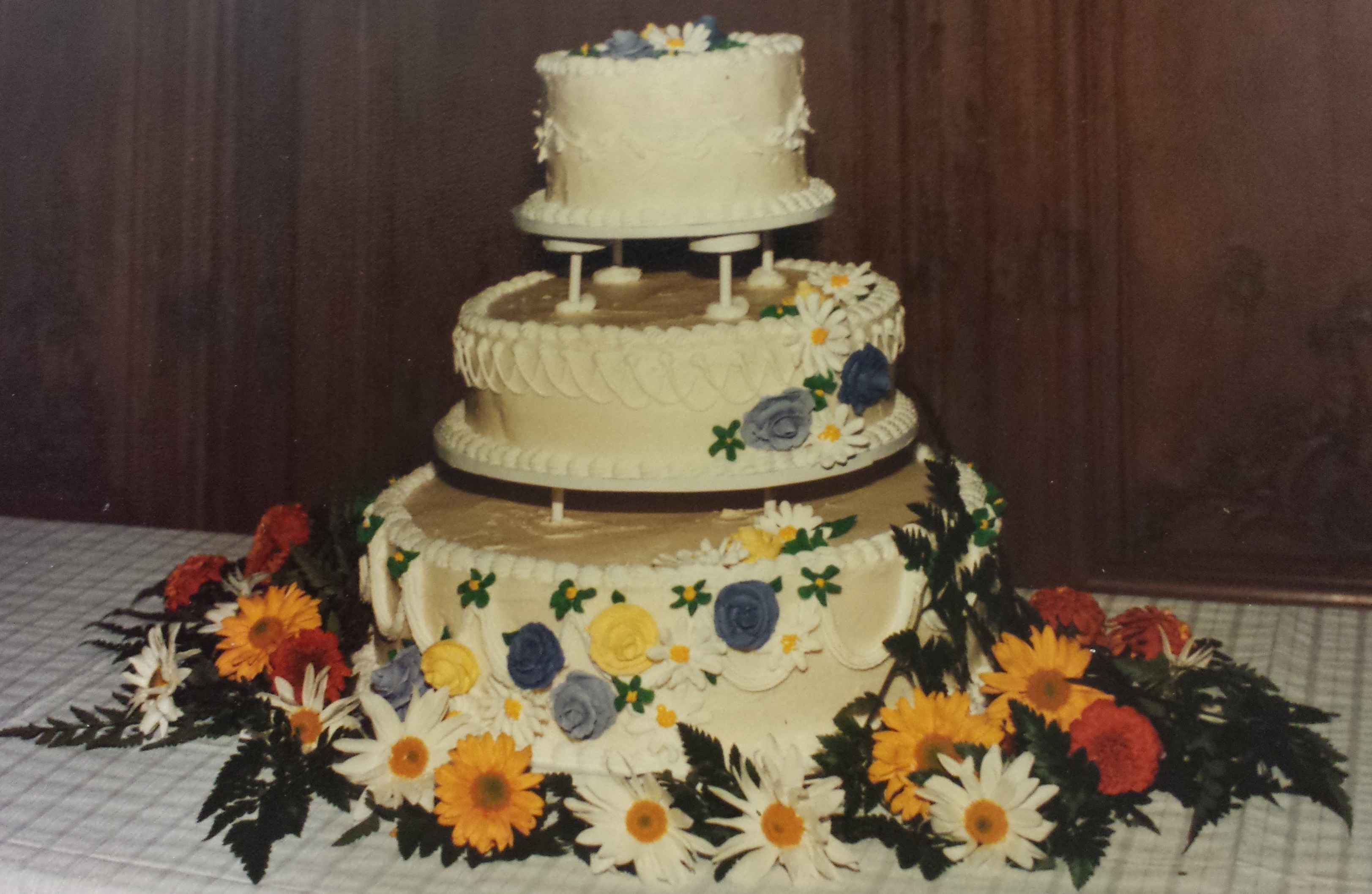
700 days after we met (during which time Mark came to England to meet my family, and we sought a work visa for me) we said our “I dos” at the Burke Museum in Seattle at our pot-luck-home-spun wedding filled with the crazy chaotic kindnesses of friends and family (still grateful for that cake Stuart!). 

20150921_165904

So – how come the trust I placed in my decision to be a contemplative upholsterer was so misguided, while the trust I placed in my spontaneous decision to move in and ultimately spend the rest of my life with Mark, so spot on?

How can we get trust right?

In Can We Trust Too Much, I suggested the way forward lay in “helping a person learn how to nourish their own feedback systems so they can:

  • manage their natural inclination to be either more or less trusting, this Alphabet helps;
  • manage their attachment wounds, if present, so that the fear of abandonment or abuse is recognized and healed;
  • cultivate a clear-eyed, robust sense of self so they can wisely discern what level of trust this or that person or situation safely warrants.”

So, what is this feedback system and how come it’s trustworthy anyway?

Here’s what works for me, and increasingly, for my clients.

Our own infallible-once-we-know-how-to-use-it feedback system is ~

  • Available to us 24/7
  • Body-centered
  • Compassionate
  • Do-able
  • Effective
  • Fair
  • Growth-promoting
  • Honest
  • Individualized for our specific journey . . .

(OK – you get the point. I won’t go through the whole alphabet)

Maybe you can discern what it is as I review the ways I approached becoming an upholsterer versus the way I approached staying with Mark?

In the first instance I listened to only one inner voice. I listened exclusively to that Part of me who was absolutely of the opinion that I was, at my core, destined to be a contemplative upholsterer.

I had shut down the opposition. Any Part of me who might have had doubts about the plan was seen as a threat to my desire for certainty and the poster-child of certainty for me then was a life-long-dedication to the craft of upholstery.

But, in that tiny percentage of my attention I was ignoring, there were Parts gnawing at my gut, tightening in my upper back, and whispering in my heart ~

  • But I hate sewing;
  • Maybe I want to go back to Grad School;
  • Will I earn enough;
  • What if I get lonely?

Too bad for them! My contemplative-hold-tight-to-certainty Part monopolized all the attention in my inner Cabinet, drowning out dissent and shoving aside the President. Until she couldn’t. Until those ignored inner knowings erupted and I could no longer refuse to hear them and I cracked open with frustration, grief, and rage at my inauthenticity.

I was like a President who fills her cabinet with “yes people.” In trusting only one adviser, I was completely oblivious to the larger reality I’d been ignoring.

Enough of the broken chairs already!

Screen shot 2015-09-21 at 5.38.41 PM

With the Mark decision it was the opposite. Within my inner Cabinet I was certainly swayed by my Minister for Spontaneity who argued “Hey, you gotta seize the moment girl..tomorrow you move on. If you don’t spend time with this man now, this moment won’t ever come around again.”

But, this Part had lots of supporters~

  • This man feels safe and kind, this is a great decision;
  • His family is European, so it feels familiar;
  • I like that he has a career already sorted out;
  • Good job finding a man who sings so wonderfully!
  • He loves animals too – an excellent sign.

And lots of opposition too ~

  • What about my volunteer job with VSO in Indonesia  – I want to see that through;
  • I’d be nuts to put my dreams aside for a man;
  • Do I even want to stay in America?
  • I’m still grieving the death of my mother, this is no time for love;
  • Our spirituality is way too different.

But the difference this time was that I welcomed information. I listened to all these Parts. I paid attention not only to my thoughts but to my body, which had plenty to say! I listened to depression, to a spasming back, to knee and ankle injuries, to headaches and to the gnawing in my gut. I worked the issues until I felt I understood what needed to be understood in that moment.  I let reality be messy and complex.

Each Part held a piece of the truth. Each part wanted what was best for me, from her perspective. This idea of listening carefully to multiple competing views is hardly new, in psychology or politics. Fellow history enthusiasts might appreciate the analogy to Lincoln’s cabinet, beautifully described in Team of Rivals. Author Doris Kearns Goodwin explains (in an interview for National Archives)

At the same time, Lincoln was facing a Republican Party that was very young and whose members had come from a variety of other parties. They were former Whigs, former Democrats. By putting his rivals in his cabinet, he had access to a wide range of opinions, which he realized would sharpen his own thinking. It also gave him a way of keeping all those conflicting opinions together. If he didn’t have a unified group fighting against the South, the fight would be impossible to sustain. So having all those opinions in his cabinet not only helped him; it helped the country as well.

So, like President Lincoln, when it was time to make a decision, that decision arose from a deeply informed place. My own inner team of rivals  was led by my inner President (what I usually call my Self) in a way that considered the views of all the Parts. My Self was curious and compassionate toward all the fears, all the stories, all the desires held by these Parts. My Self understood, for example, both how hard it would be to abandon my VSO position in Indonesia and how hard it would be to walk away from an extraordinary relationship.

Each Part of me, each distinct set of beliefs/fears/desires I held, was welcomed, attended to, appreciated for the specific perspective it brought, and considered or negotiated with. Until I realized that I knew what needed to happen. Until I recognized an upwelling of certainty that came from getting to know all the Parts. And, at some point there was no longer a question. I knew I wanted to be with Mark above everything else. And all the Parts felt good about it.

Don’t trust me on this one folks – try it for yourself!

Next time you need to trust yourself with a decision – whether about a relationship, office politics, a move, an issue with your child or parent – let yourself genuinely tune into all the Parts of you who have something to contribute. View them all as helpful. It’s the Parts of us we shove aside as irrelevant or discordant or irritating, or frightening in their implications, that have the most power to unravel whatever version of “trusting myself” you come up with.

If you want some help here are five suggestions for moving forward

  1. Read more about Parts work and Dr. Richard Schwartz’s Internal Family Systems
  1. Read Jay Earley’s book Self Therapy
  1. Read There’s A Part of Me (or anything else that catches your attention) here:
  1. Sign up for a few sessions with an IFS-trained therapist in your area;
  1. See the first three articles in this series

Why bother?

Because every relationship is built on trust. So, what Part(s) of you are doing the trusting? Your ability to trust other people will grow to the extent you get to know which Parts of you are showing up as you decide whether or not to trust. Trust is a process. It ought not be given too quickly. So, the more your President (your Self ) learns how to distinguish and listen compassionately to all your inner Parts the greater the chance you will form a clear and informed assessment.

Before you can trust (or re-trust) someone else, you need to learn to trust yourself.


FIRST TIME HERE?

This is the latest article in a year-long series on the “12-most-important-relationship-skills-no-one-ever-taught-me-in-school-but-I-sure-wish-they-had.”

Click the box for the full list.  Top 12 Relationship Skills

If you’re interested in reading this blog in sequence, below are links to the series to date, beginning with the first posting at the top.

OVERVIEW

SKILLS FOR UNDERSTANDING

SKILL ONE ~ Recognize (and get to know) the many “yous.”

SKILL TWO ~ Learn how to be pro-active: choose how y’all show up.

SKILL THREE ~ Accept (and get curious about) other peoples’ complexity

SKILLS FOR CONNECTING

SKILL FOUR ~ Master the Art of Conversation

SKILL FIVE ~ Learn How To Listen With Your Whole Self

SKILL SIX ~ Crack The Empathy Nut

SKILL SEVEN ~ Practice Kindness

SKILL EIGHT ~ Negotiate with a Win-Win Mentality

SKILLS FOR RE-CONNECTING

SKILL NINE ~ Build (or rebuild) trust.

Trusting Myself

Dear Reader,

In a delicious twist of irony, I’m having to trust my gut that it is OK for me not to publish an article today on how to trust one’s gut.

I think I’ll blame the cat.

Screen shot 2015-09-16 at 3.57.35 PM

I’ll be back here next week!

Warmly,

Gemma

Can We Trust Too Much?

Screen shot 2015-09-08 at 2.38.53 PM

Q   Can we trust too much?

A    Yes!

If you think about your life, I expect you can think of a time when you put your trust in a stranger who let you down.

  • Has a salesperson ever made false promises about a product ?
  • Did you fall for that on-line magical diet only to find you’re still 15 lbs more than you want to be?
  • Has a vacation brochure promised sea views from your balcony but here you are looking at a brick wall?

My guess is however that you still believe strangers, buy stuff, sample new diet aids and are persuaded by good ad copy to take distant vacations.

Why do you do that?

How come you knowingly engage in activities that conned you before?

Possibly, like me, you learn from the feedback you receive each time your trust is betrayed.

You’ll probably consult the Better Business Bureau or talk to friends before believing a particular products’ claims.

If you’re in the market for some self-improvement routine for your body or your mind you’ll probably read the testimonials, or maybe talk at length to some people who have tried what you are considering.

And as for those glossy sea-views or cruise-ship brochures? Two words. Due diligence.

In other words, you cultivate discernment. Hopefully you make fewer dumb purchases, and the economy still thrives because there are so many folks who are on their own particular learning curve so shoddy products, fake diets and ghastly vacations still sell like hotcakes!

Let’s go deeper.

I expect you can think of times when you put your trust in someone you love who then let you down.

  • Did your parents ever say “I’ll be at your game!” only to never show up?
  • Did your partner swear to live within the budget you both agreed to, only to squander $1000s gambling and rack it up as unanticipated debt?
  • Did your spouse promise to be monogamous, only to cheat on you?

Now what?

  1. Did you stop inviting your parents to your events so you’d not feel let down?
  2. Did you invite your parents, give them dozens of chances to redeem themselves, and ride that roller coaster between hope and despair in your childhood home?
  3. Or did you invite your parents, but manage your expectations so whether they came or not you’d be OK?

What about your gambling partner?

  1. Do you file for divorce immediately and unravel your joint finances so you can regain control over your life?
  2. Do you have another budget conversation and trust them to “never gamble again, I swear…”
  3. Or do you create some accountability with a firm-but-fair response that connects your spouse with some version of Gamblers Anonymous and you with resources to help rather than enable the behaviors?

What about an unfaithful spouse?

  1. Do you immediately file for divorce without exploring any of the circumstances because it’s just too darn painful and you feel irreparably betrayed and righteous as in “How could s/he do this to me?”
  2. Do you so fear being abandoned that you put up a modest fight, but let them know you forgive them if they just won’t ever do it again?
  3. Do you insist on clarity, and invite both of you to therapy to explore what led to this affair, to understand what your relationship needs now, begin to heal and renegotiate the contract each of you wants going forward?

It’s not black and white is it?

And while it might seem as if I biased the answers above to favor option 3 in each case, the truth is that how we respond depends upon a whole other layer of trust. We can only end up more or less in alignment with the option 3 responses to the extent we trust ourselves.

We experience our world as predictable enough, as trustworthy enough to the extent three factors are in play:

NATURE – there is mounting evidence that people are born with different predispositions around trust. Don’t take my words for it! Here’s

NURTURE – Since John Bowlby’s work on attachment in the 1950s we’ve understood that parenting matters. Here’s

NOURISHMENT – Is the term I’m giving for this third factor in ones ability to trust. It’s the only one over which you have control, and it’s never too late to begin. Summed up by one of my favorite aphorisms:

“Trust in Allah, but tether your camel first.”

it’s about cultivating conscious awareness for all the factors in play before deciding whether, and how much, to trust.

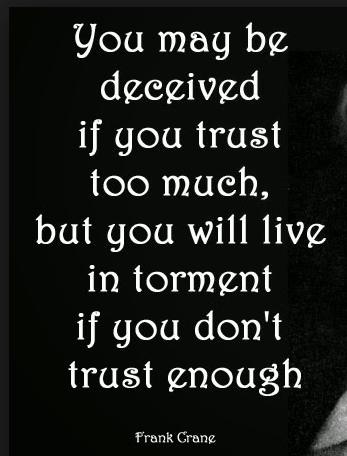
As Frank Crane puts it ~

Screen shot 2015-09-08 at 12.43.19 PM

We need that Goldilocks zone of trust.

Believe me, if a couple comes to me so burdened by one partner’s inability to ever trust again after a painful betrayal it greatly reduces the likelihood the relationship will ever recover.

And, if a couple comes to me with one partner totally committed to trusting their sweetie in the face of overwhelming evidence that this is unwise (refusing to recognize when addictions are present for example) it will bring about their mutual assured destruction.

More and more I find I’m working to help individuals learn how to trust themselves enough to be able to make heart-centered yet informed decisions.

This means helping a person learn how to nourish their own feedback systems so they can ~

  1. manage their natural inclination to be either more or less trusting, this Alphabet helps;
  2. manage their attachment wounds, if present, so that the fear of abandonment or abuse is recognized and healed;
  3. cultivate a clear-eyed, robust sense of self so they can wisely discern what level of trust this or that person or situation safely warrants.

What does this look like in practice? Come back NEXT WEEK where I’ll be writing about how to trust yourself more accurately

FIRST TIME HERE?

This is the latest article in a year-long series on the “12-most-important-relationship-skills-no-one-ever-taught-me-in-school-but-I-sure-wish-they-had.”

Click the box for the full list.  Top 12 Relationship Skills

If you’re interested in reading this blog in sequence, below are links to the series to date, beginning with the first posting at the top.

OVERVIEW

SKILLS FOR UNDERSTANDING

SKILL ONE ~ Recognize (and get to know) the many “yous.”

SKILL TWO ~ Learn how to be pro-active: choose how y’all show up.

SKILL THREE ~ Accept (and get curious about) other peoples’ complexity

SKILLS FOR CONNECTING

SKILL FOUR ~ Master the Art of Conversation

SKILL FIVE ~ Learn How To Listen With Your Whole Self

SKILL SIX ~ Crack The Empathy Nut

SKILL SEVEN ~ Practice Kindness

SKILL EIGHT ~ Negotiate with a Win-Win Mentality

SKILLS FOR RE-CONNECTING

SKILL NINE ~ Build (or rebuild) trust.

The Alphabet of Trust

Trust is like love. It’s one of those super dense words we seldom unpack. So, for a start, what does it mean to love? What does love look like?

I think that’s why 1 Corinthians 13:4-8 is such a popular wedding verse. It offers a set of “How To” guidelines:

  • Love is always patient and kind;
  • Love is never jealous;
  • Love is not boastful or conceited,
  • It is never rude and never seeks its own advantage,
  • It does not take offense or store up grievances.
  • Love does not rejoice at wrongdoing, but finds its joy in the truth.
  • It is always ready to make allowances, to trust, to hope and to endure whatever comes.

Absent these suggestions, we might think love is just a fuzzy feeling.

So how about trust? Is trust just a fuzzy feeling, or are there behavioral guidelines that show us how to behave in a trustworthy manner? Or how to demonstrate our trust in someone else?

And if so, what are they?

Relationship researcher extraordinaire John Gottman has a fascinating article on Trust & Betrayal. If this is an area you are interested in, I highly recommend checking this link.

Meanwhile, I decided to take a stab at my own list of behavioral guidelines for how to cultivate trust.

Your character (who you are ) and your competence (how you act) show up in many ways of course, but the list below, if practiced, will help your relationship in two powerful ways.

  • You will become more trustworthy
  • You will become more trusting.

I’ve been thinking about this because I’ve had a few clients lately who were raised in less-than-trustworthy environments. They were abused sexually, emotionally or physically and never learned what a trustworthy adult looked like. These young people can’t call upon an inner experience of trustworthiness. They have to think through the huge issues of “Whom can I trust?” and “How do I trust?”. They could use some behavioral guidelines.

This Alphabet of Trust is for them

Screen shot 2015-09-01 at 7.41.26 PM

ACCEPT influence ~ from your partner. If you show them you accept (which does not mean you have to agree) their views and opinions, they will be more inclined to accept, and trust, yours.

Screen shot 2015-09-01 at 7.41.36 PM

BELONG to one another ~ reassure your partner you are there for them, they belong in your heart, there is always a space for them.

Screen shot 2015-09-01 at 7.41.44 PM

CONTROL ~ is an illusion in all but two places: your thoughts and your behavior. So, by all means take responsibility for all you think (and the stories you tell yourself) and all you do (how you show up on the planet with words and actions). But release any temptation to control or manipulate your partner. Trying to manage the outside world to protect your inside emotions never works.

Screen shot 2015-09-01 at 7.41.51 PM

DUMP DEFENSIVENESS ~ if you make a mistake, don’t use excuses or be defensive. Own your error and simply say you are sorry. Be clear. Be true. End of conversation!

Screen shot 2015-09-01 at 7.51.00 PM

ENJOY EYE CONTACT ~ lean in, look into each other’s eyes, whether you’re chatting over a beer or making love. Eyes seldom lie.

Screen shot 2015-09-01 at 7.51.09 PM

(be) FAITHFUL ~ to whatever promises you make. If you’ve pledged monogamy, stay monogamous; if you’ve pledged to move after med school, move after med school; if you say you’ll take kid duty all Saturday, do that. Keep your commitments. If you absolutely need to change things, negotiate. Don’t  just drop the ball.

Screen shot 2015-09-01 at 7.51.15 PM 

GIVE thanks ~ be grateful for little things; a bed made, a meal served, a wound kissed, a knotted shoulder rubbed.

Screen shot 2015-09-01 at 7.51.26 PM

(be) HONEST ~ tell the truth in everything . Little lies are a slippery slope to big lies. Tell the truth even when no one will know otherwise.

Screen shot 2015-09-01 at 7.56.18 PM

INITIATE connection ~ reach out frequently. Little and often is great. A text. A smile. A hand squeeze.

Screen shot 2015-09-01 at 7.56.25 PM

JUDGE with your heart ~ it’s too easy to tell ourselves negative tales about why our partner did this or that. Suspicion is like a poisonous worm – it will eat you up from the inside out. If you have a worry, it is better to confide that you have a worry and get it out in the open.*

Screen shot 2015-09-01 at 7.56.33 PM

KEEP their secrets ~ if your partner shares something with you in confidence, guard it fiercely. The alternative is a fast track to betrayal.

Screen shot 2015-09-01 at 7.56.39 PM

LISTEN deeply ~ tune in, seek to understand, paraphrase what you heard and ask “Did I get that right?”

Screen shot 2015-09-01 at 7.58.59 PM

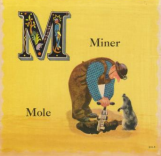
(be) MINDFUL ~ when you speak and act. It’s crazy-making to live with someone who says or does hurtful things and then denies having said or done them crying “But I didn’t mean it!”

Screen shot 2015-09-01 at 7.59.06 PM

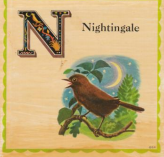
NEGOTIATE WITH A WIN-WIN MINDSET ~ in partnerships, that old win/loose idea is actually loose/loose. It does not feel like a simple win/loose, it feels like win/betray. Get creative until you find a solution that works for both of you. See How To Negotiate The Small Stuff for tips on how to do this.

Screen shot 2015-09-01 at 7.59.11 PM

OWN up ~ if you blow it, say so. Offer an apology. Excuses suck!

Screen shot 2015-09-01 at 7.59.18 PM

(be) PREDICTABLE (but not boring!) ~ a fine line, I know! Create certainty in the big stuff, like your values and dependability. Bring variety to the small stuff, like where and how you “eat, pray, love” (Thanks Ms. Gilbert).

Screen shot 2015-09-01 at 8.16.43 PM

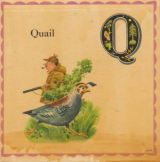
QUESTION ~ what you do not understand, don’t make assumptions. Ask your partner to clarify things so you can get to know the truth, not your fantasy.

Screen shot 2015-09-01 at 8.16.49 PM

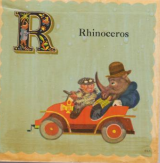
RESPECT ~ who your partner is, take his/her thoughts seriously. Never be dismissive.

Screen shot 2015-09-01 at 8.16.55 PM

SPEAK ~ carefully. Not all the time of course, the warm friendly banter between two lovers needs no scripting nor censorship. But if something is bothering you (from a small irritation about making the bed, through a huge gut-wrenching fear your partner may have been unfaithful) HOW you approach the issue is key.  Huge topic of course – you may find my series on communicating helpful. It begins with The Five Conversations,

Screen shot 2015-09-01 at 8.17.01 PM

(be) TRANSPARENT ~ be upfront about your motives, reasoning and opinions.

Screen shot 2015-09-01 at 8.17.41 PM

USE “Us” & “We” ~ not “I’ and “You,” as in “We’ve got a problem between us”  rather than “I want this and you want that; I’m right & you’re wrong.”

Screen shot 2015-09-01 at 8.17.49 PM

(be) VULNERABLE ~ let yourself show up warts and all. We all have aspects of ourselves we are afraid of, or embarrassed by. It is a huge vote of trust to share these aspects of who you are.

Screen shot 2015-09-01 at 8.17.55 PM

WAIT ~ and count to 10 if you must, before you express an angry emotion. Being with a partner who flies off the handle is emotionally frightening. Calm yourself down before you talk about a difficult subject. If this is an issue for you, see The 7 Deadliest Fights.

Screen shot 2015-09-01 at 8.18.01 PM

(E) XAMINE ~ your life and conscience from time to time. Are you as trustworthy as you can be?

Screen shot 2015-09-01 at 8.18.06 PM

YIELD ~ your desires and wants sometimes. It can feel very reassuring to feel prioritized by a partner.

Screen shot 2015-09-01 at 8.18.13 PM

ZIP-IT ~ sometimes stopping all the noise, all the words, all the “communicating”, processing, planning, commentating, justifying and explaining to simply be still in the presence of one another is the biggest boost to mutual trust there is.

  • CAVEAT

These guidelines are not always wise. It will depend upon whether or not you are in a relationship with a more or less healthy individual. Be sure to come back next week and we’ll explore what to do when your partner is not yet deserving of trust.

  • Is learning how to trust rocket science?
  • No.
  • Does it require the dedicated life long practice of heart, mind and soul?
  • Yes.

And well worth it it is.

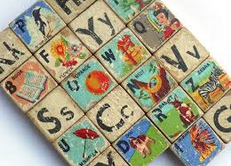
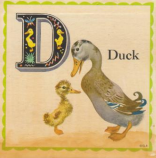
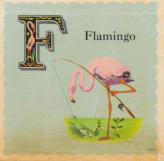
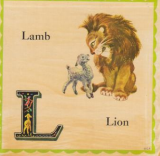
(Thank you to  Jenn Erickson for the delightful vintage alphabet images.)

NEXT WEEK?

Can we ever be too trusting?

FIRST TIME HERE?

This is the latest article in a year-long series on the “12-most-important-relationship-skills-no-one-ever-taught-me-in-school-but-I-sure-wish-they-had.”

Click the box for the full list.  →Top 12 Relationship Skills
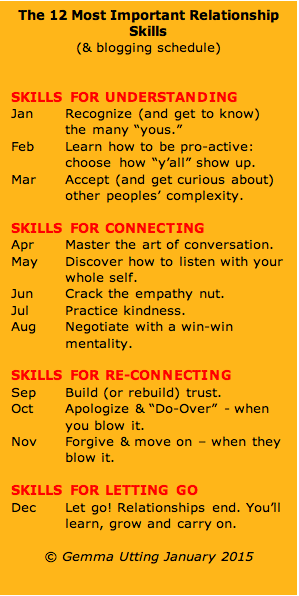
If you’re interested in reading this blog in sequence, below are links to the series to date, beginning with the first posting at the top.


OVERVIEW

SKILLS FOR UNDERSTANDING

SKILL ONE ~ Recognize (and get to know) the many “yous.”

SKILL TWO ~ Learn how to be pro-active: choose how y’all show up.

SKILL THREE ~ Accept (and get curious about) other peoples’ complexity

SKILLS FOR CONNECTING

SKILL FOUR ~ Master the Art of Conversation

SKILL FIVE ~ Learn How To Listen With Your Whole Self

SKILL SIX ~ Crack The Empathy Nut

SKILL SEVEN ~ Practice Kindness

SKILL EIGHT ~ Negotiate with a Win-Win Mentality

SKILLS FOR RE-CONNECTING

SKILL NINE ~ Build (or rebuild) trust.

  • The Alphabet of Trust